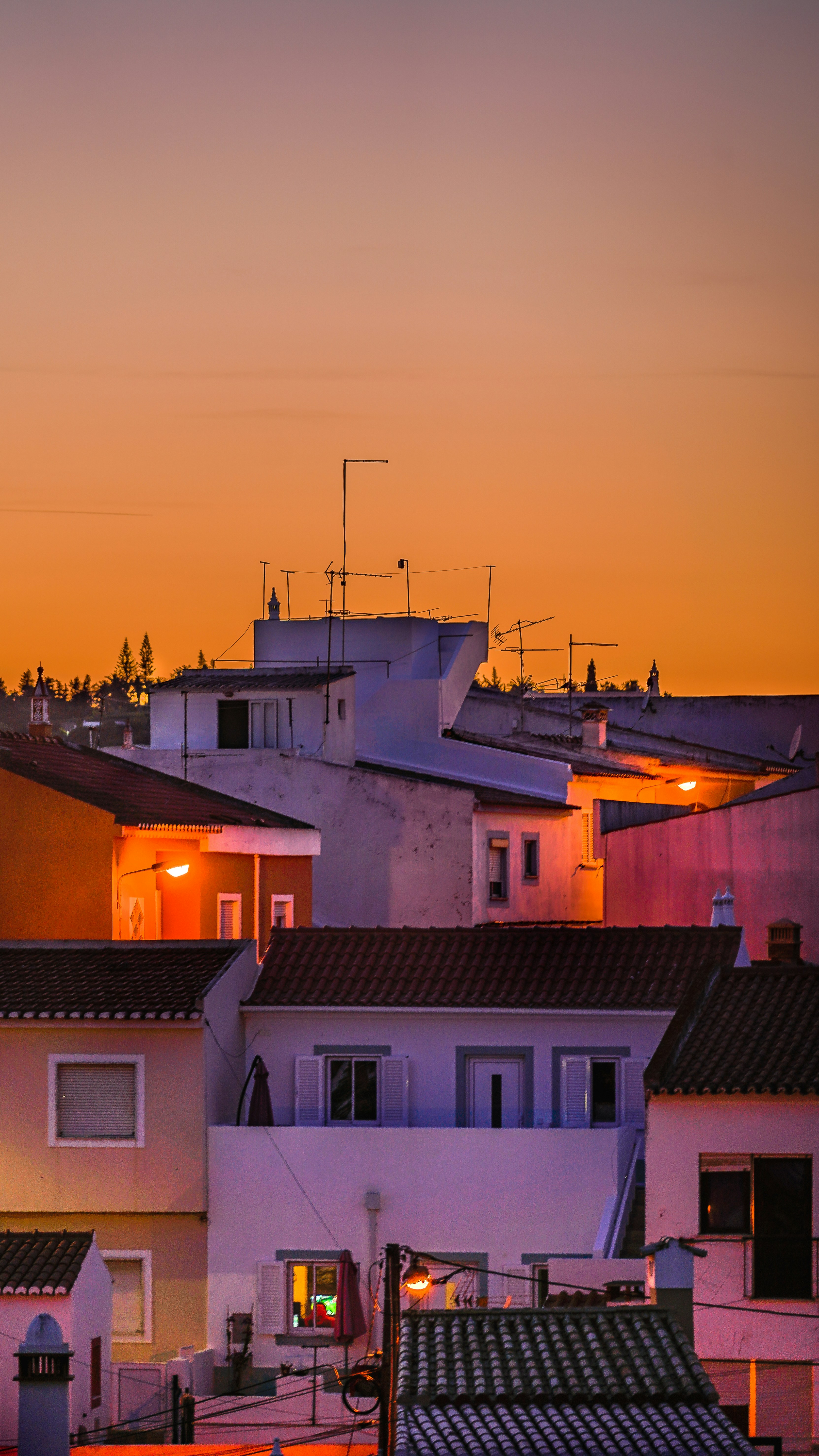
Eat where the recipes
have no pages.
A culinary journey from the predawn spice markets of Marrakech to a rooftop feast as the Atlas Mountains blush pink.
The Market
Predawn. The medina is cool and quiet. A dada chef leads you through passages that have no tourist map — to grain sellers, spice merchants, the butcher who has been here since his grandfather's grandfather.
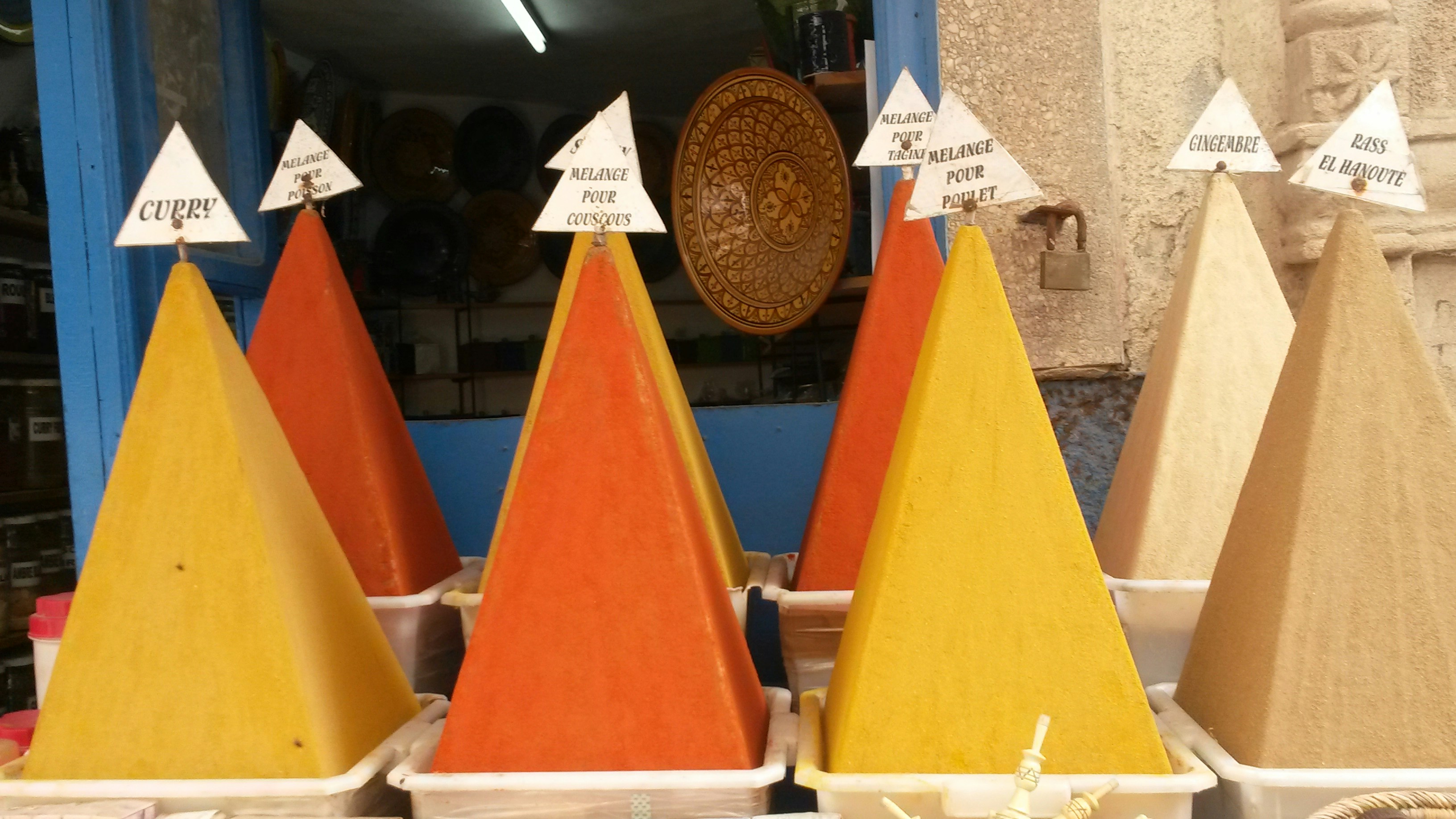
Before the medina wakes, the spice quarter exhales its first breath — cumin, saffron, ras el hanout, rose petals from Kelaat M'gouna. Forty thousand vendors, one ancient logic.
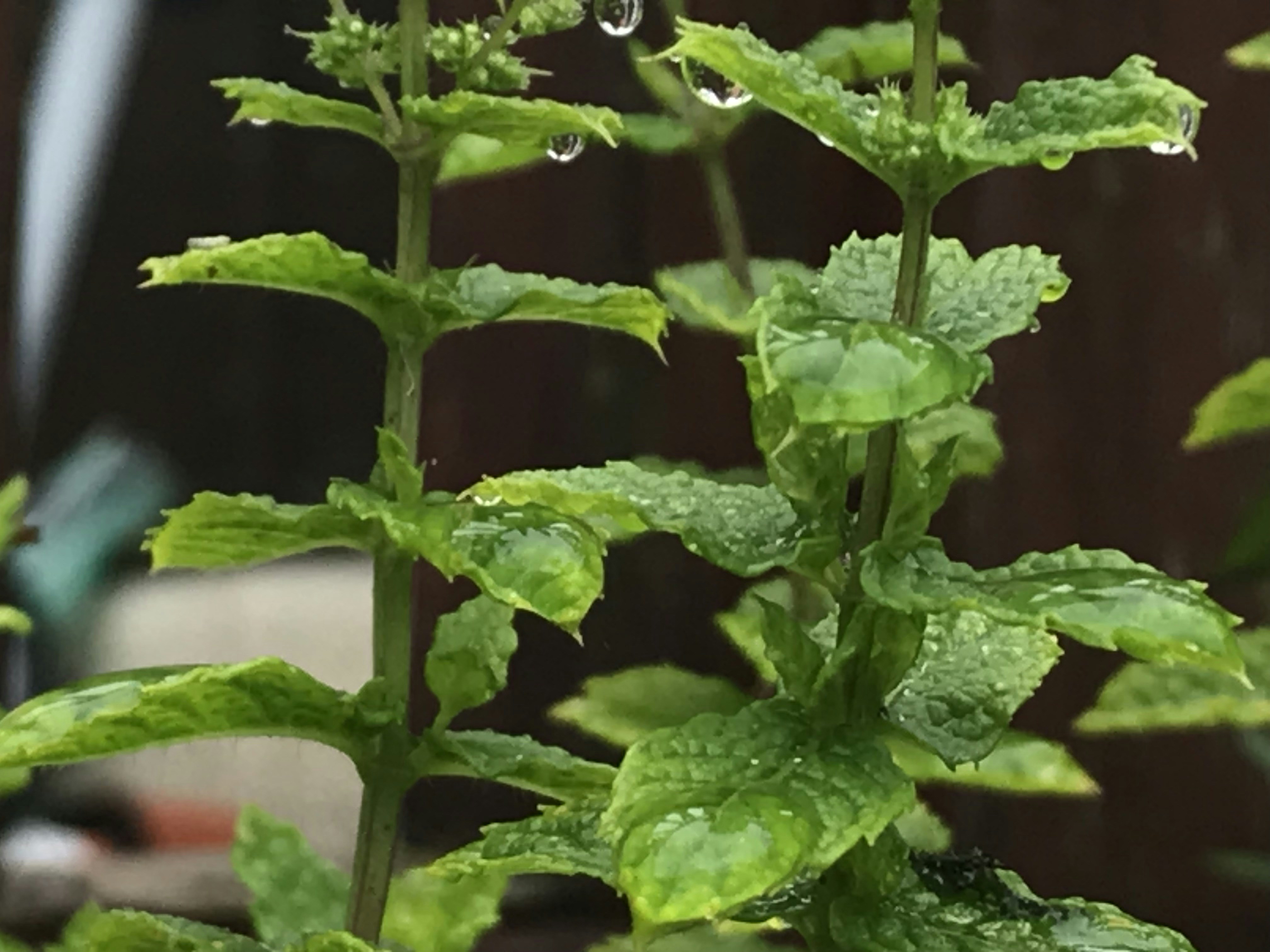
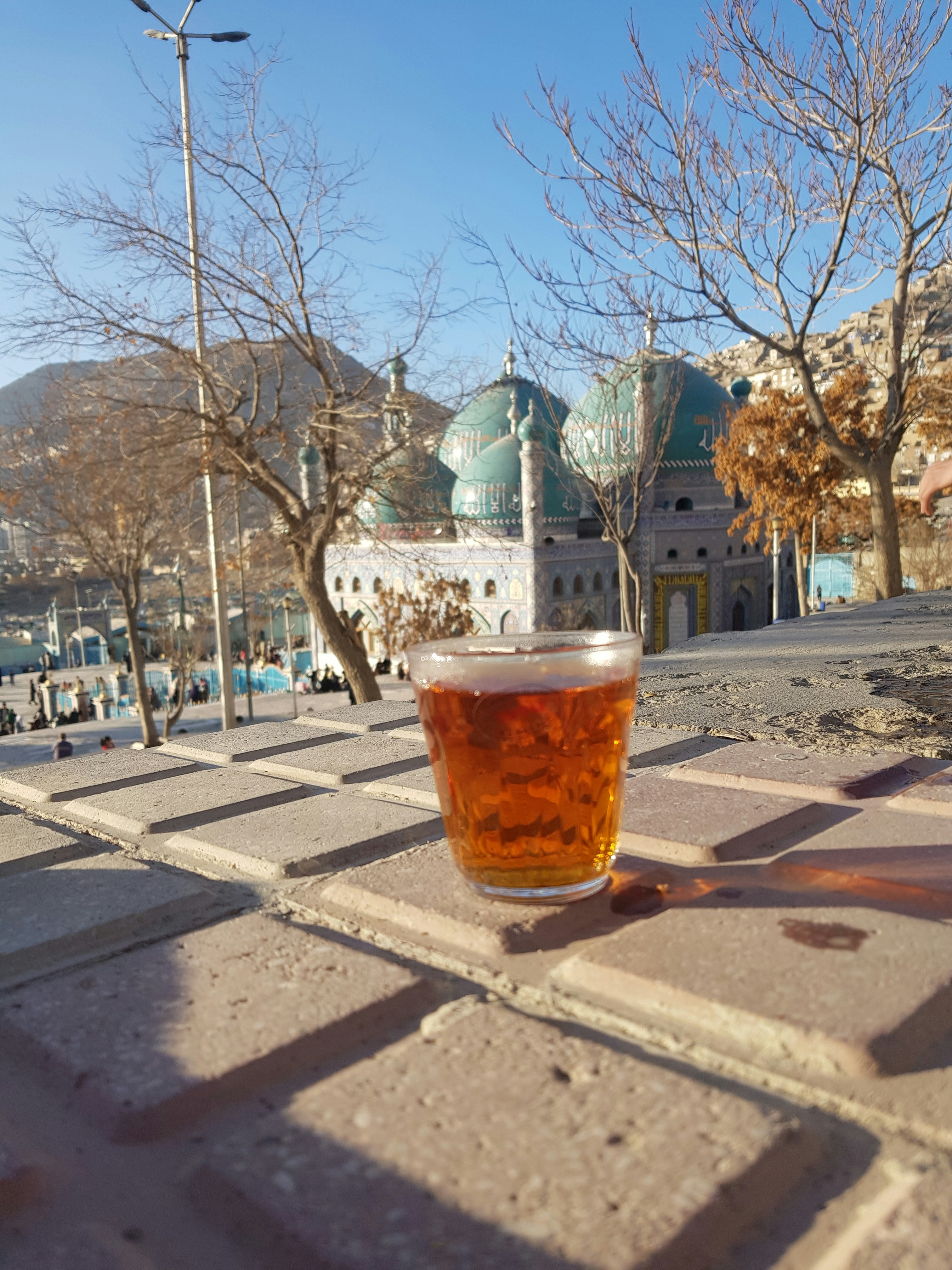
Nana mint — spearmint — arrives by donkey cart from the Ourika Valley. The vendors wet it down to keep it alive. You will drink it three times before noon.
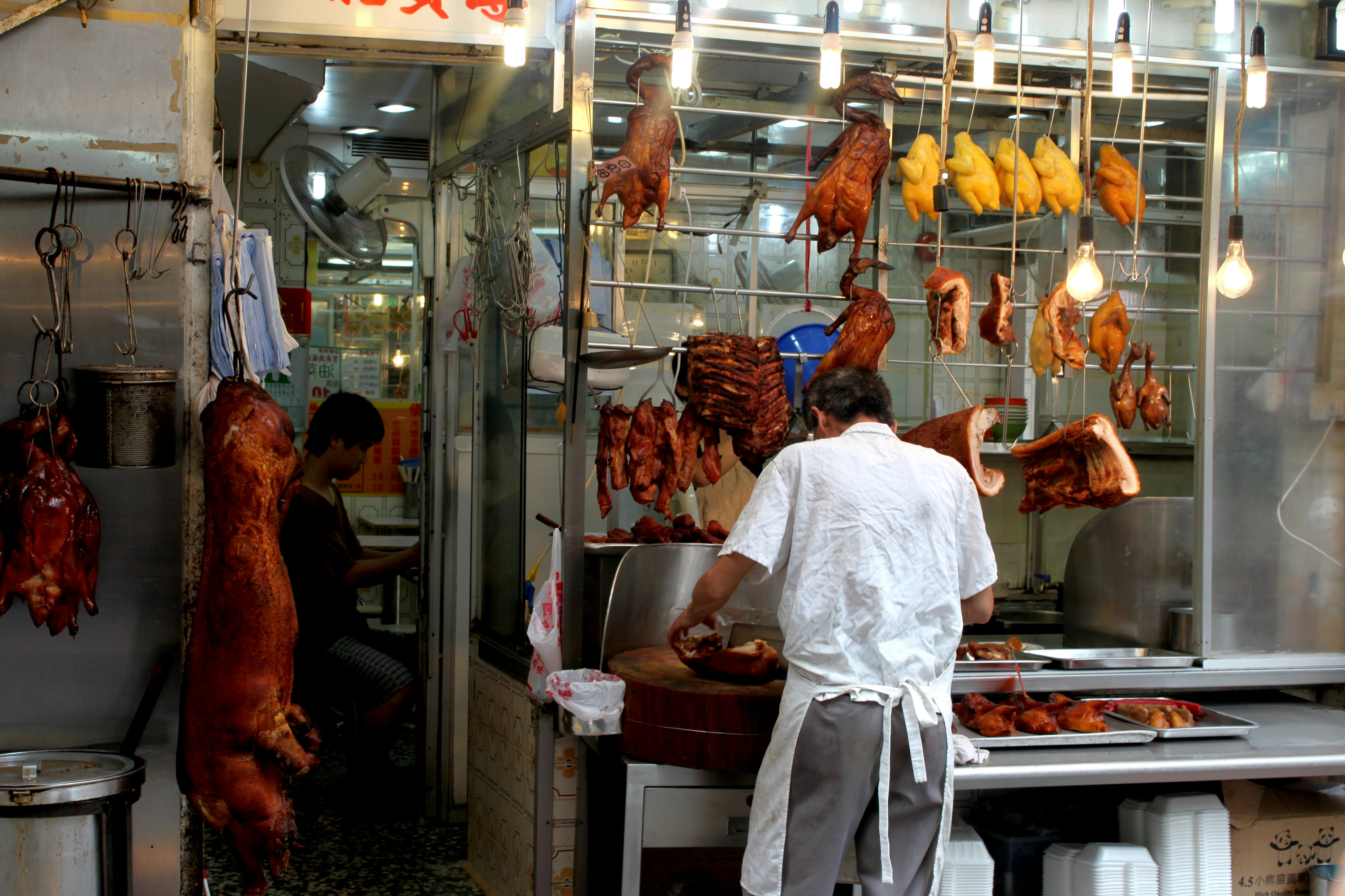
The Mechoui Alley butchers have been roasting whole lamb in underground clay pits since before the Saadian dynasty. The queue forms before sunrise.
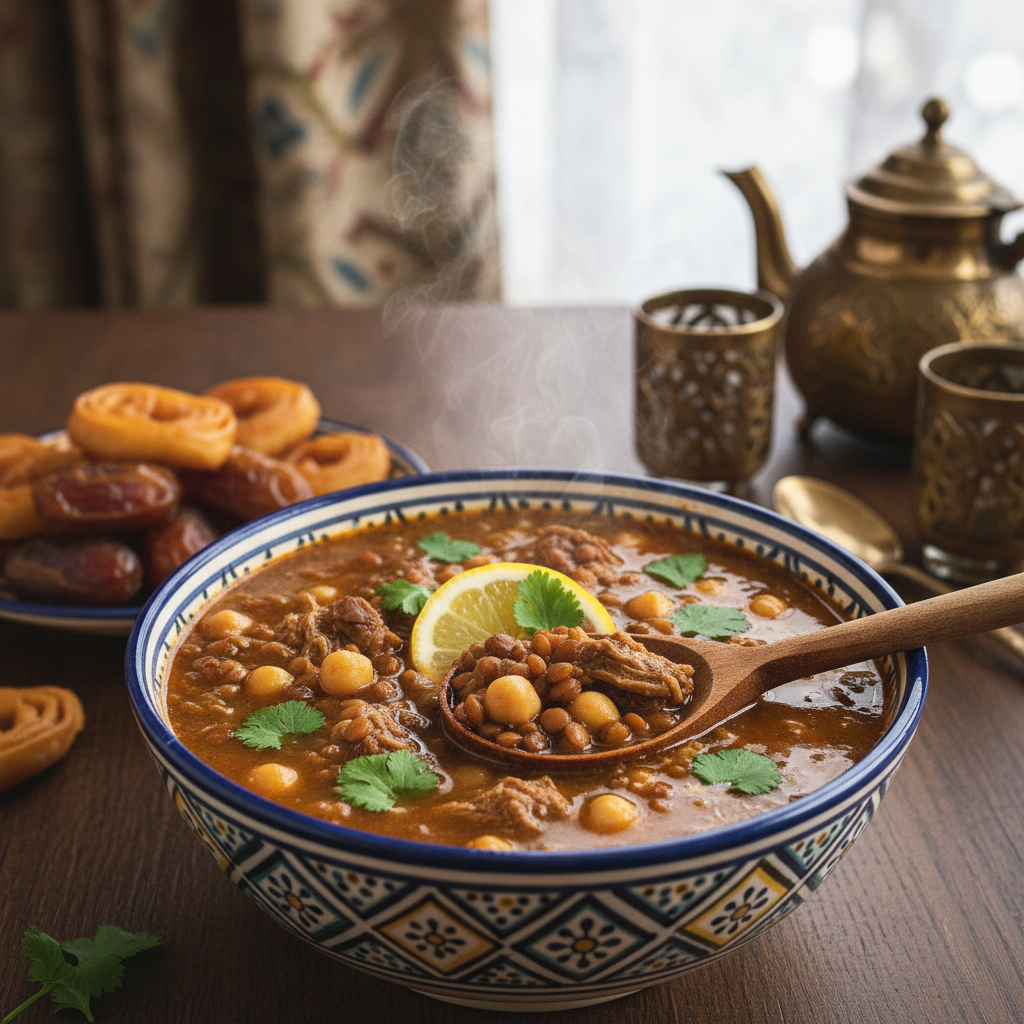
Tomato, lentil, chickpea, cinnamon, ginger, fresh coriander. Harira is what Marrakech tastes like at the beginning of a day — nourishing, unhurried, already ancient.
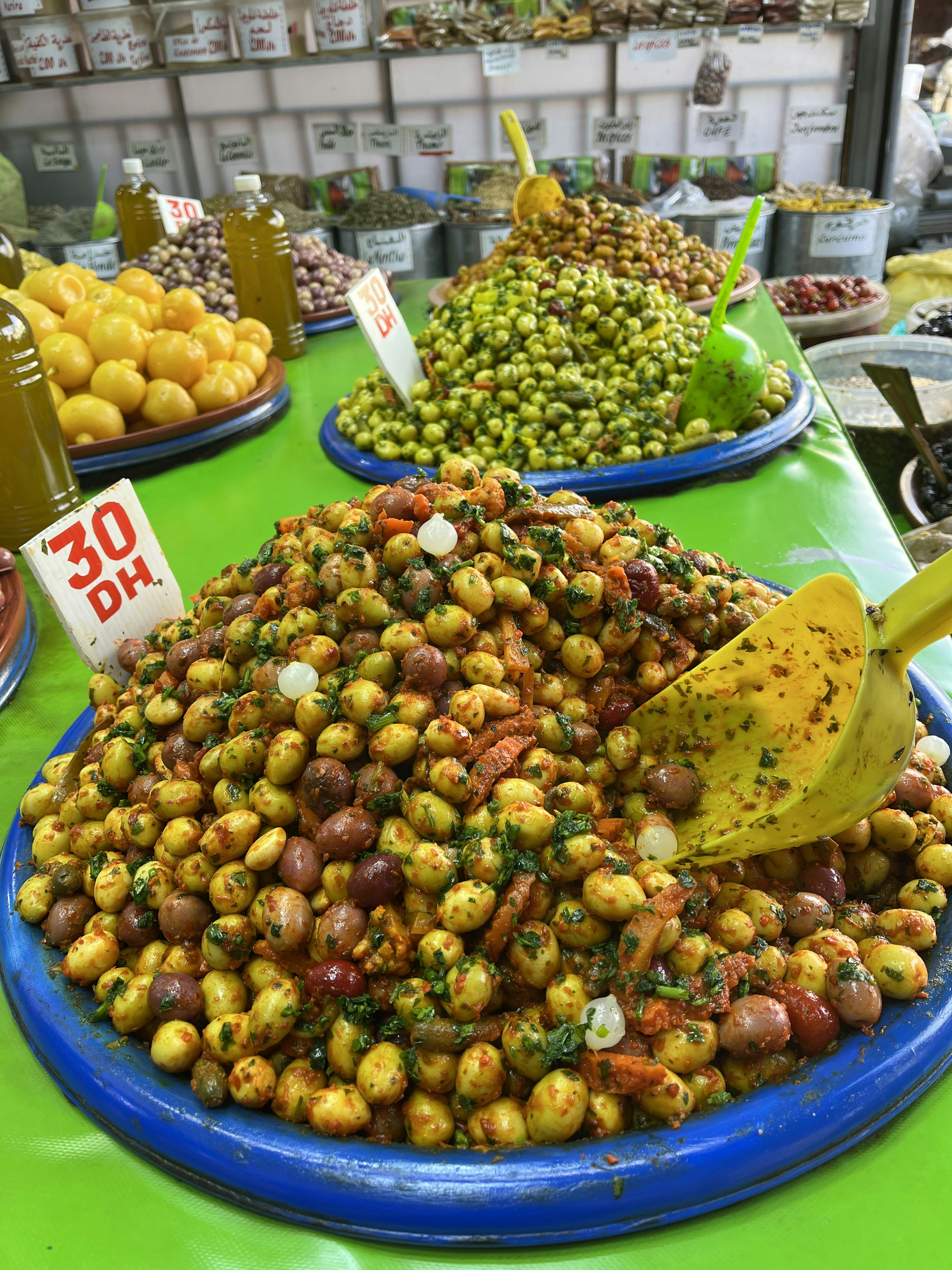
Salted, sealed, and left to transform for thirty days minimum. No Moroccan kitchen is without them. They are the slow alchemy that separates a tagine from a stew.
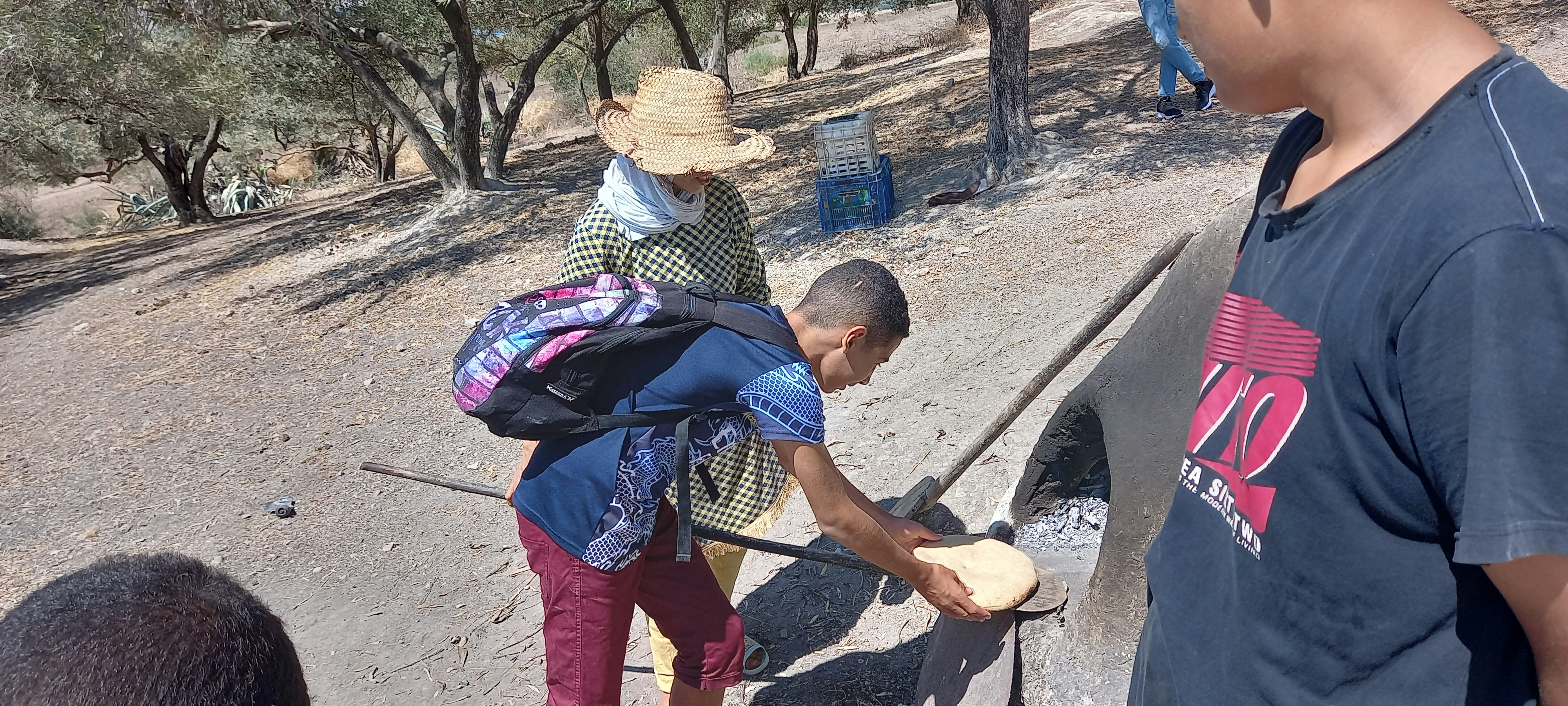
Families bring their dough to the neighborhood ferran — the communal oven. The baker knows every family's mark. The bread comes back warm, carrying a scent that is not quite flour and not quite smoke.
The Kitchen
Steam, flour dust, and the slow simmer of a tagine that has been cooking since before you arrived. You are not watching — you are in it.
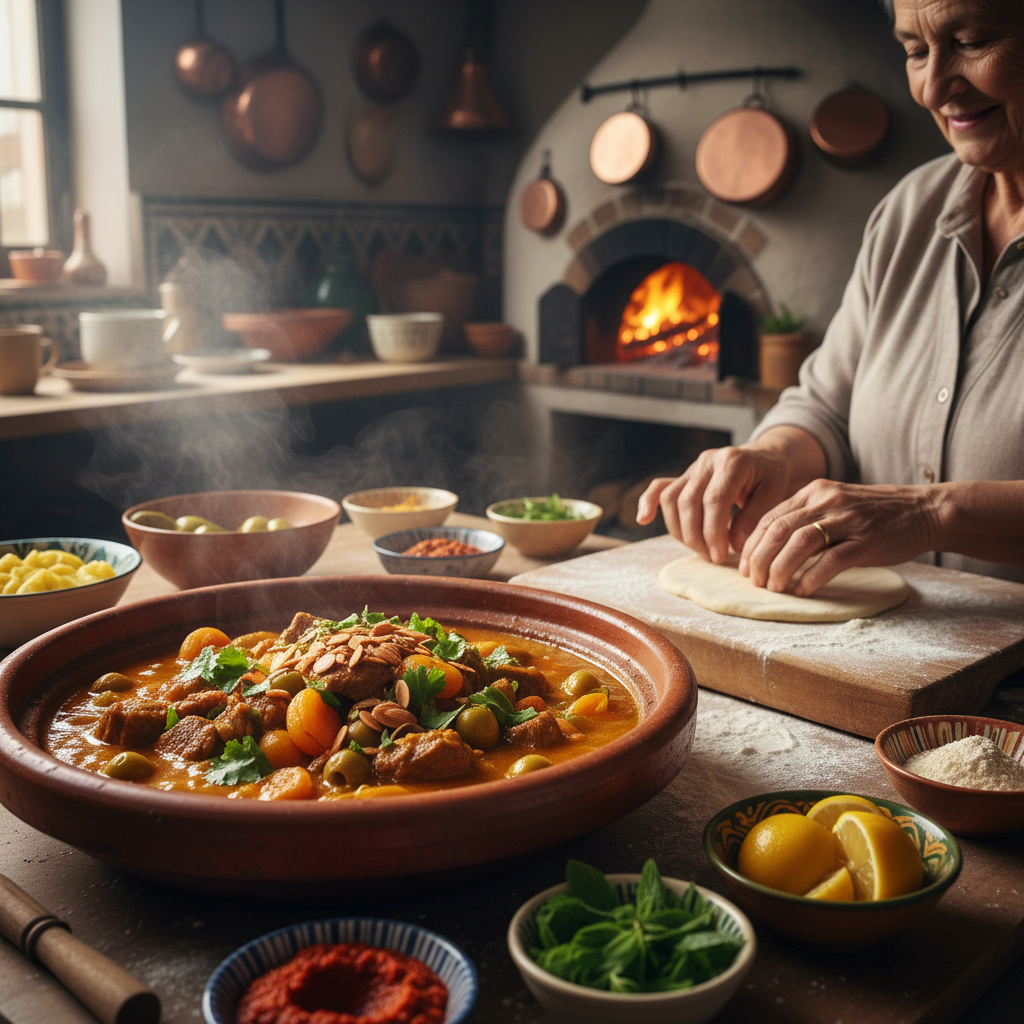
Beside the Grandmother
A dada chef — Morocco's most respected traditional female chefs — teaches you to hand-roll couscous from scratch, pressing semolina and saltwater until perfect granules form. No timer. No recipe card. Patience is the only technique.
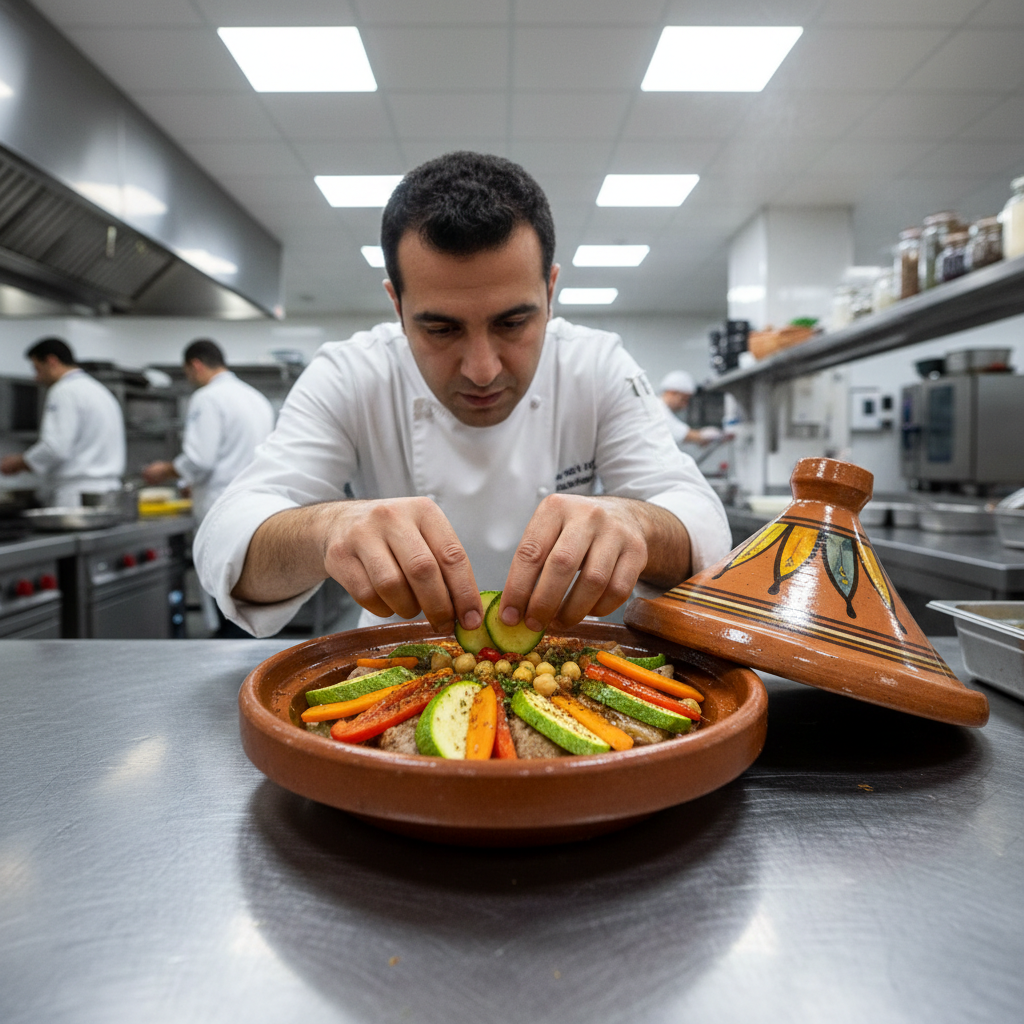
The Tagine's Architecture
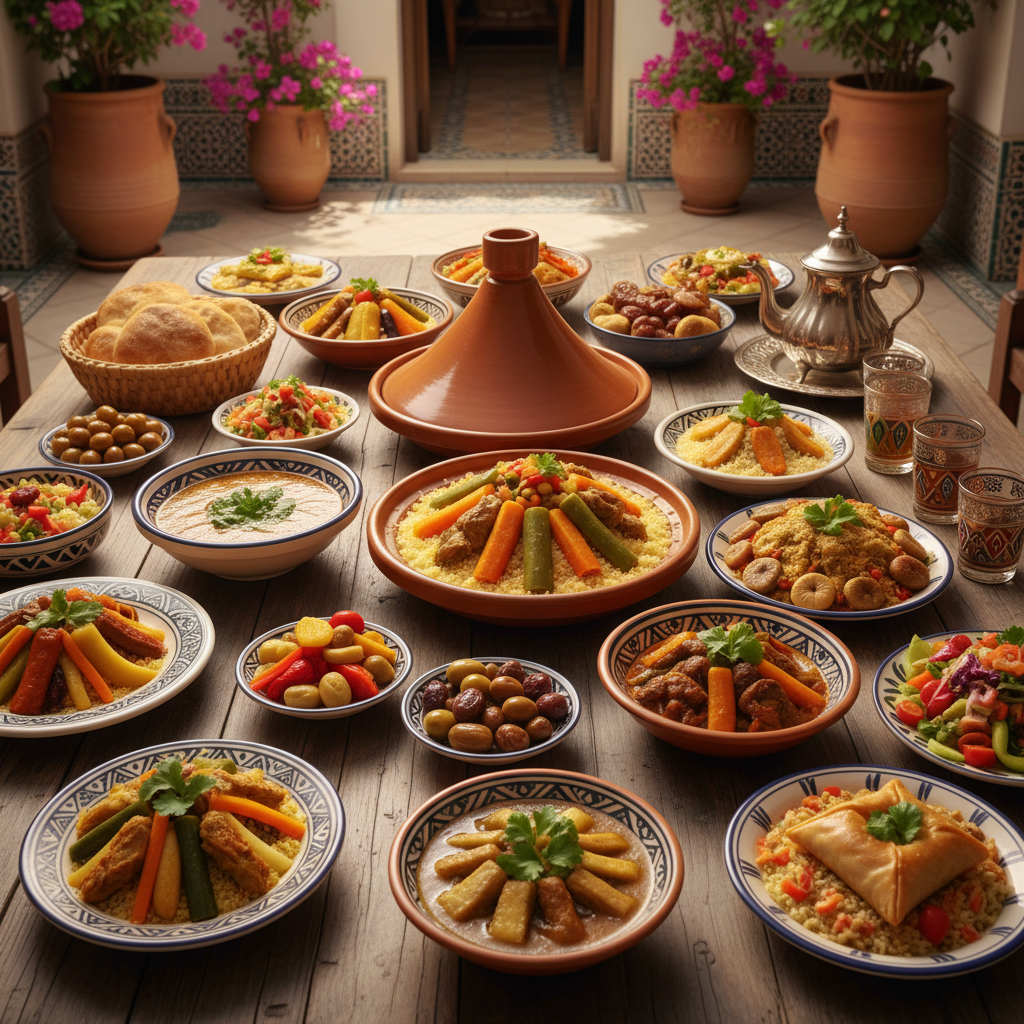
Layering is everything. Onions first — they become the liquid. Then root vegetables, then meat, then the preserved lemon and olives that make the whole thing Moroccan. The conical lid returns steam as sweetness.
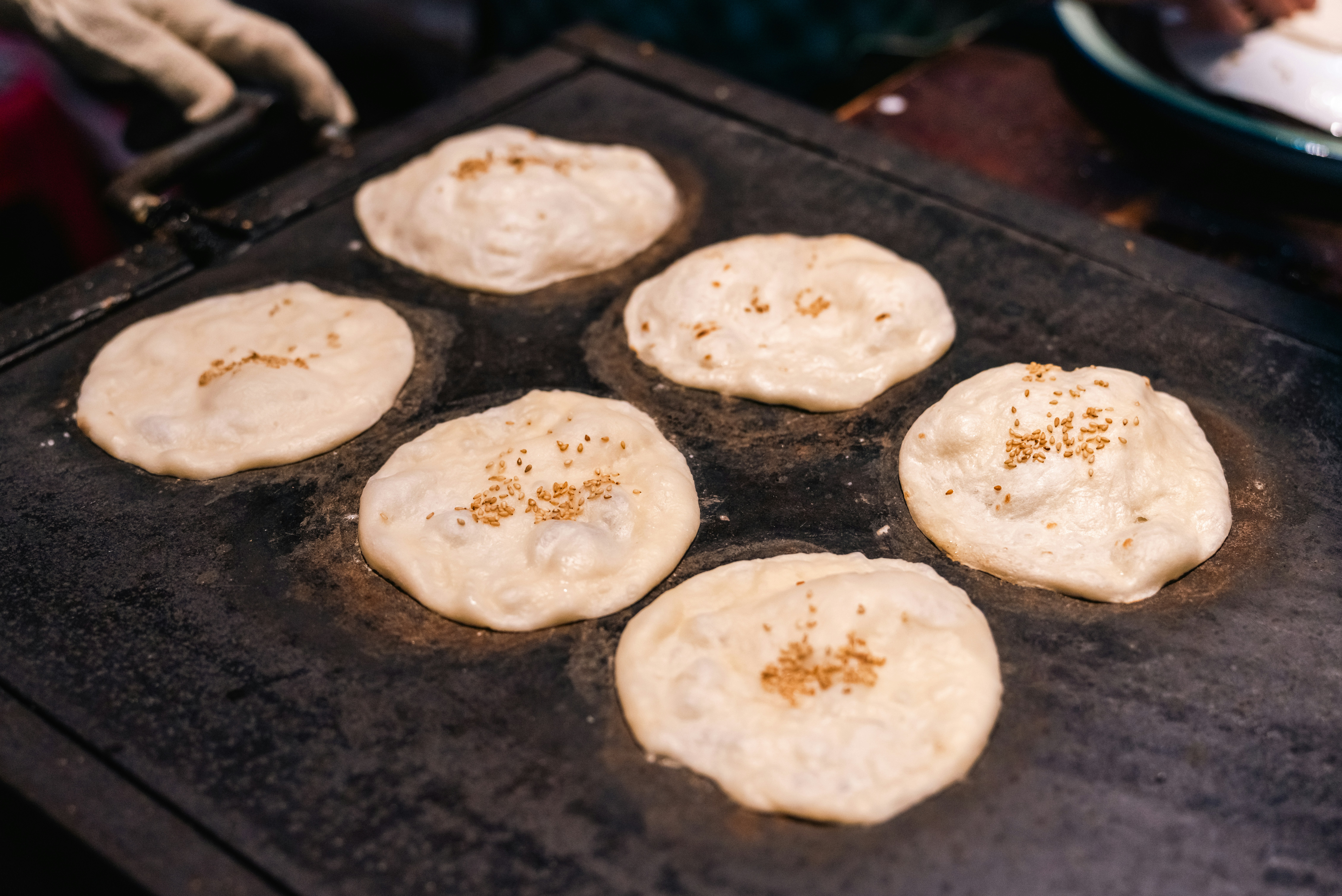
Msemen — The Folded Bread
Soft, flaky, and deeply Moroccan. You fold the dough over itself four times, creating the layers that will peel apart at the table. Serve with argan oil and amlou — almond paste with honey — and the afternoon stops entirely.
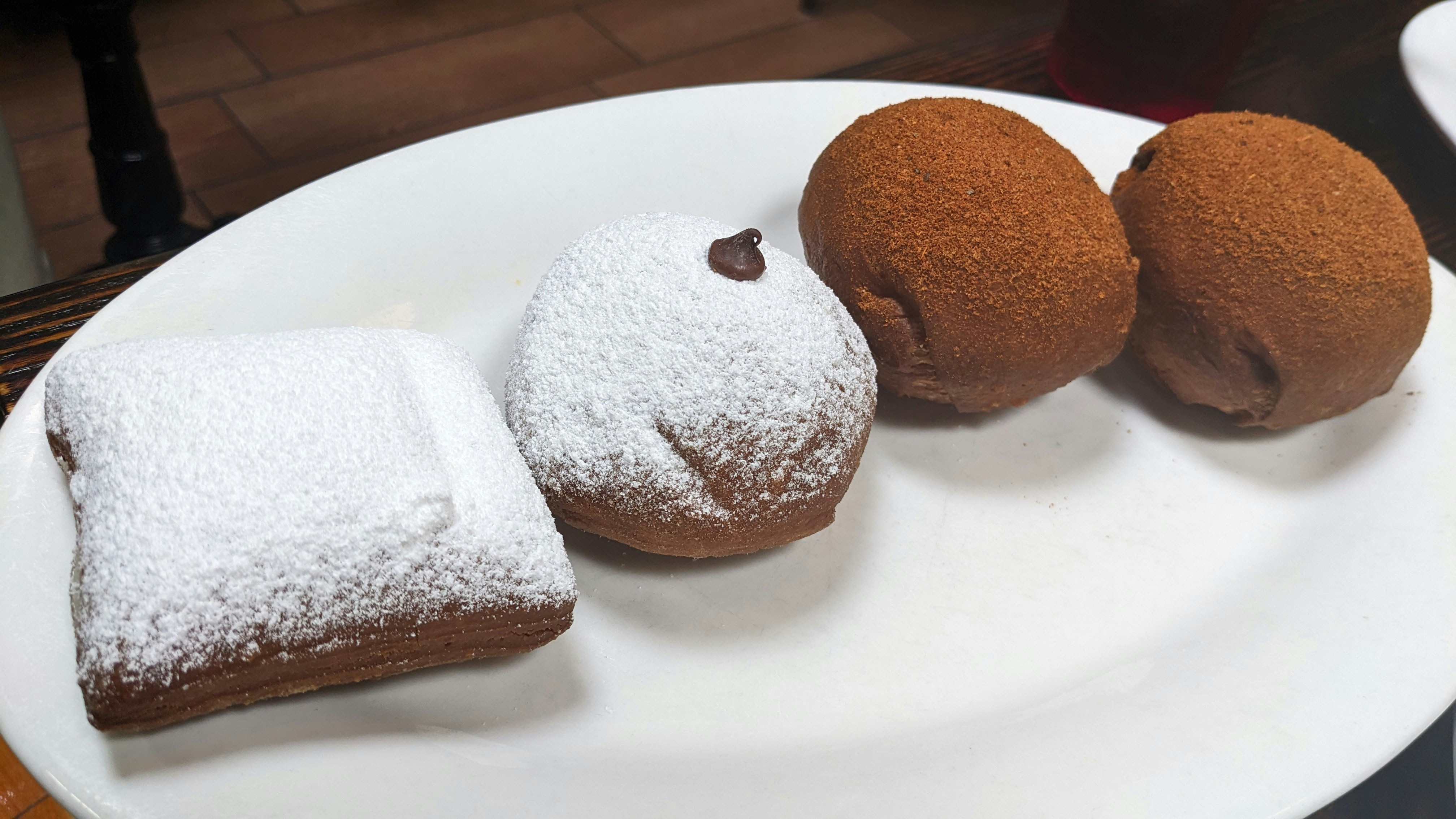
Warka Pastry & Bastilla
Paper-thin warka pastry, pigeon or chicken, almonds, cinnamon, powdered sugar. Bastilla is the dish that confuses every Western palate into delight — savory, sweet, impossibly delicate. The technique takes a lifetime. You will begin yours today.
The Table
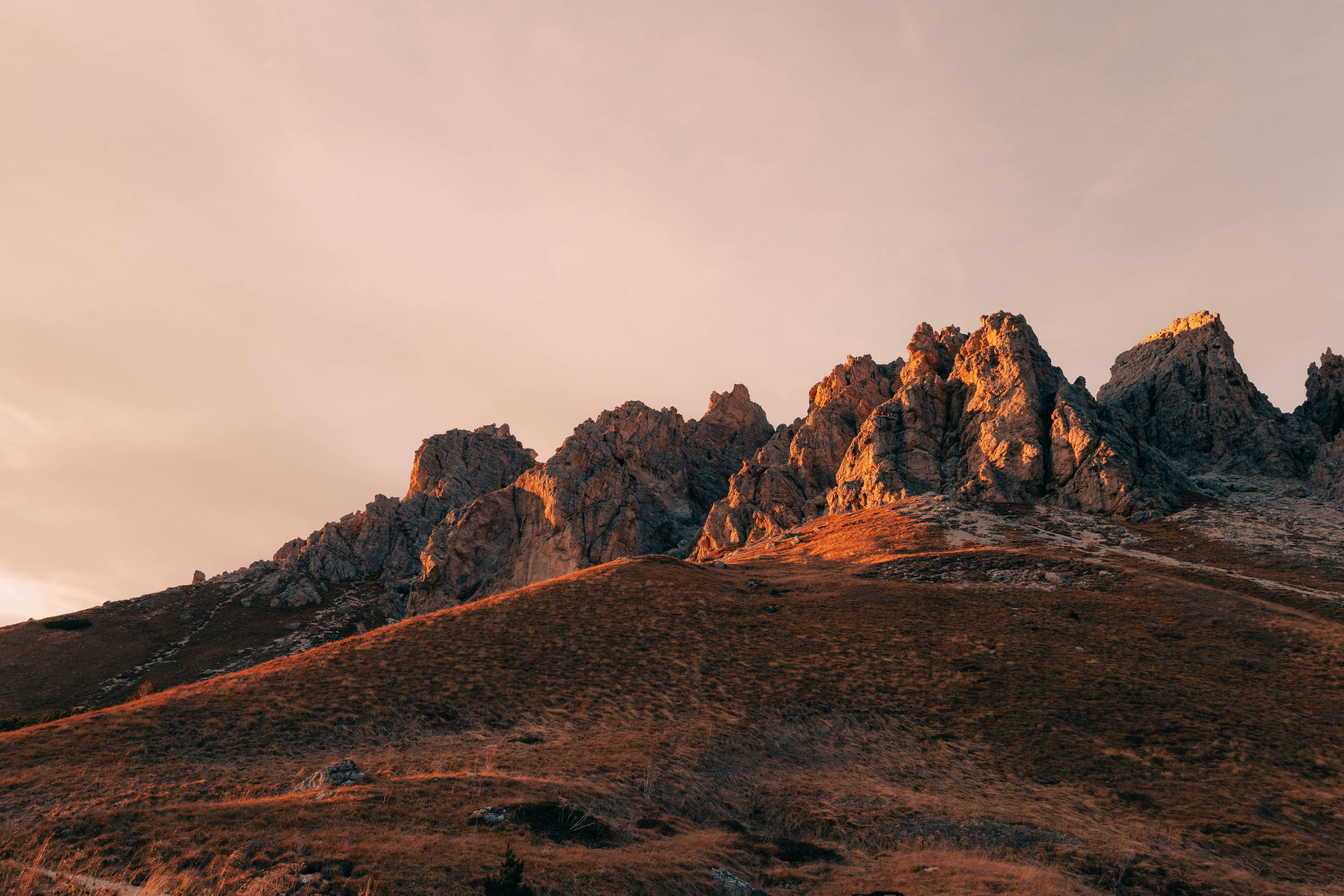
The Atlas Mountains blush pink. Someone tears the first piece of msemen. The mint tea is poured from a height, making foam. This is the moment the whole day has been building toward.
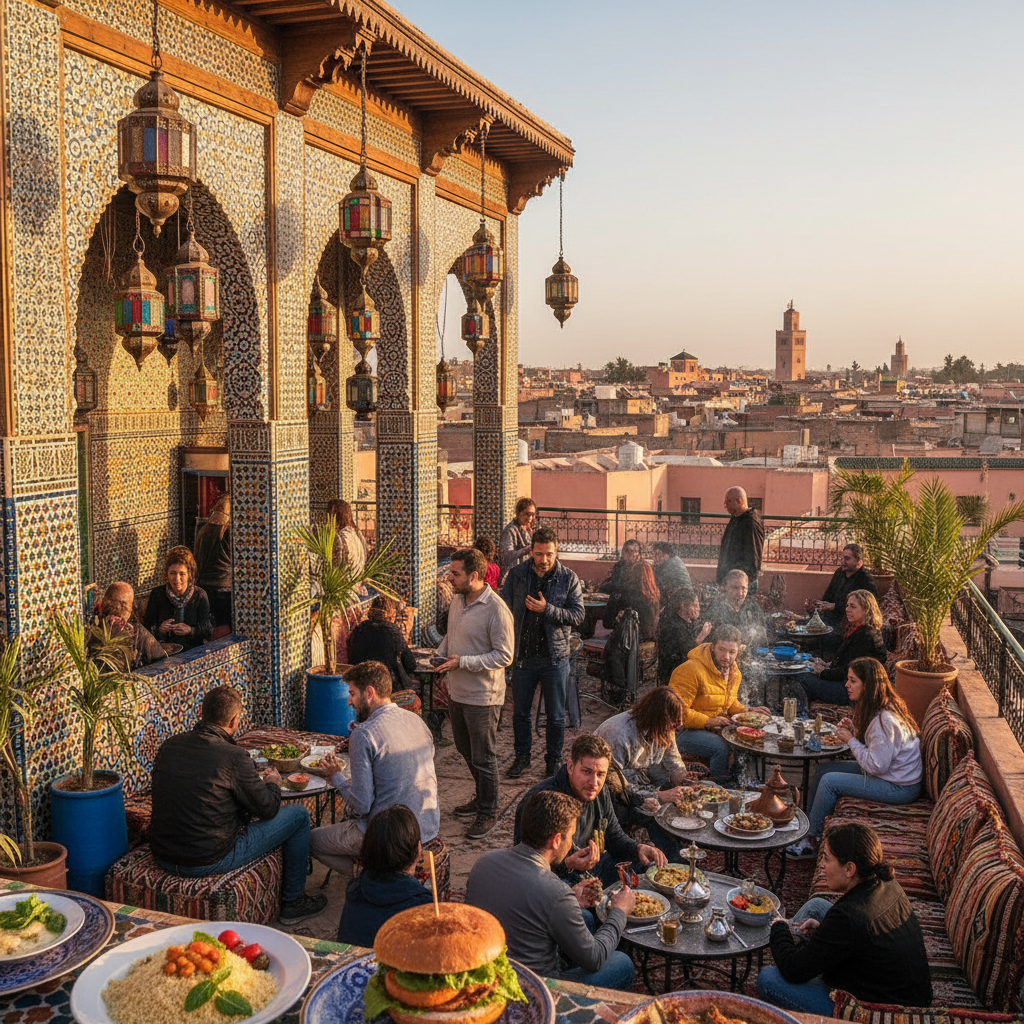
Those who have sat at the table
I have eaten in forty countries. Nothing has stayed with me the way that rooftop in Fès did — the bread still warm, the mountains going pink, a glass of mint tea catching the last light.
The dada chef didn't speak much English and I didn't speak Darija. We communicated entirely through flour. By the time the msemen was done, I felt I'd known her for years.
We've done Tuscany, Kyoto, Oaxaca. Souk is different. It doesn't take you to Morocco — it takes you inside it.